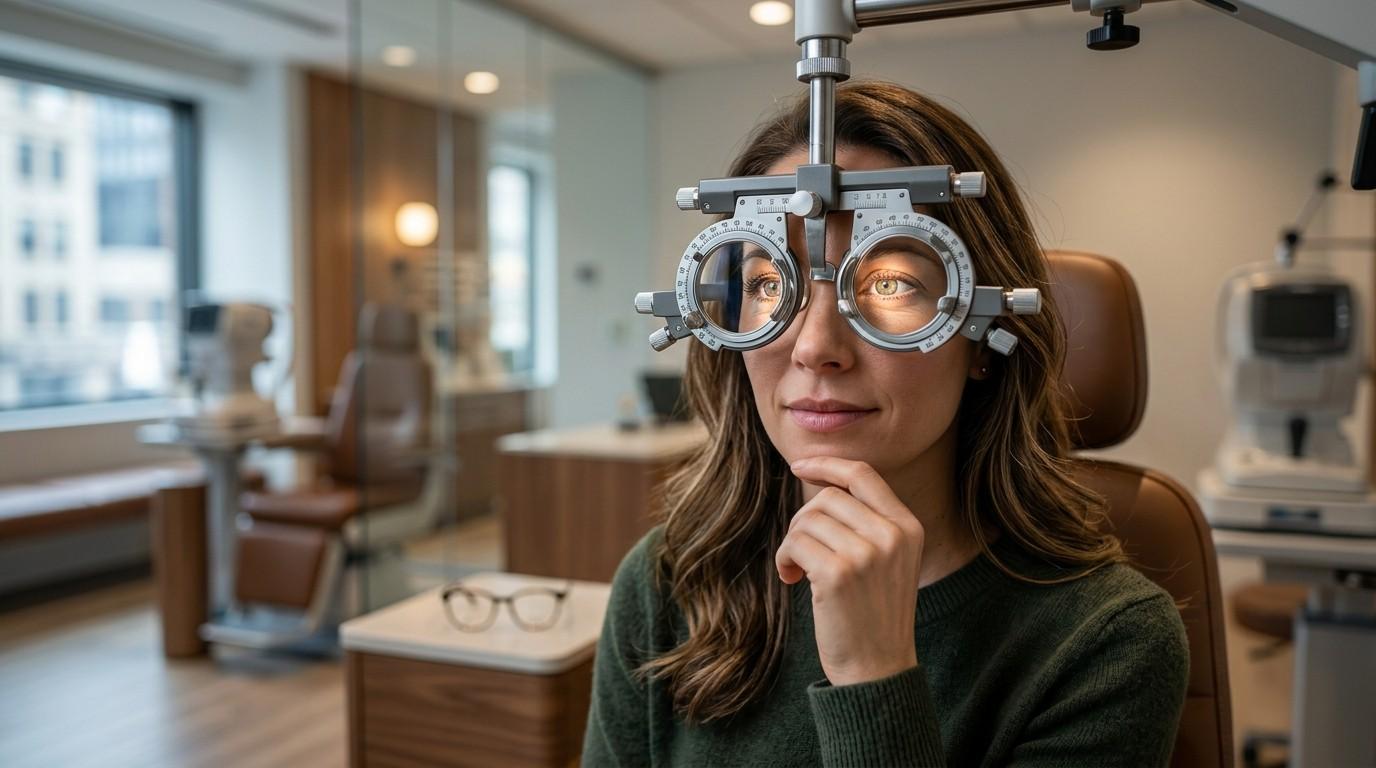
Scheduling a professional eye exam is one of the most important steps you can take to protect your vision and overall eye health. Whether you need a new glasses prescription, a contact lens exam, a DMV eye exam, or a complete ocular health exam, understanding what to expect before your appointment can help you feel more prepared and confident.
At Arizona’s Vision Eye Care Center, patients of all ages receive personalized, comprehensive care using advanced diagnostic technology and modern screening methods. From routine vision tests to specialized retina exams and glaucoma screenings, today’s eye care goes far beyond simply checking if you need glasses.
This 2026 guide explains everything you need to know about a modern eye examination, including procedures, costs, benefits, and how often you should schedule appointments for optimal vision health.
What Is an Eye Exam?
An eye exam is a comprehensive evaluation of your vision and overall eye health performed by an eye care specialist such as an optometrist or ophthalmologist. A modern comprehensive eye exam typically includes:
- Vision assessment
- Prescription evaluation
- Eye disease screening
- Retina and optic nerve evaluation
- Eye muscle coordination tests
- Digital imaging and diagnostics
Unlike a basic vision test, a complete eye examination can identify early signs of serious health conditions such as diabetes, glaucoma, cataracts, and retinal disease.
Many people search for an eye exam near me only after noticing symptoms, but preventative care is essential for maintaining long-term vision health.
Why Routine Eye Exams Matter
A routine eye exam helps detect vision changes and eye diseases before symptoms become severe. Many eye conditions develop gradually and may not cause immediate discomfort.
Benefits of regular eye checkups include:
- Detecting early glaucoma
- Monitoring diabetic eye changes
- Updating glasses or contact lens prescriptions
- Preventing vision loss
- Identifying cataracts early
- Improving daily visual performance
An annual eye exam is especially important for children, seniors, diabetic patients, and individuals with a family history of eye disease.
What Happens During an Eye Exam?
Many patients ask, What happens during an eye exam? While every clinic may vary slightly, most appointments include several important steps.
Patient History Review
Your doctor discusses:
- Current vision concerns
- Medical history
- Family eye conditions
- Medication use
- Previous prescriptions
Visual Acuity Test
The visual acuity test measures how clearly you can see letters or symbols at different distances.
Refraction Test
A refraction test determines the correct prescription for glasses or contacts and identifies:
- Nearsightedness test results
- Farsightedness test findings
- Astigmatism test measurements
Eye Pressure Testing
The tonometry eye test checks eye pressure to help detect glaucoma.
Slit Lamp Examination
A slit lamp examination allows your provider to examine the cornea, iris, lens, and surrounding eye structures in detail.
Retinal Imaging and Dilation
Modern clinics often use retinal imaging and a pupil dilation exam to evaluate the retina and optic nerve for signs of disease.
Ocular Health Evaluation
The final ocular health exam assesses overall eye wellness and screens for conditions that may impact vision over time.
Types of Eye Exams Explained
Different patients require different types of exams depending on age, symptoms, and lifestyle.
Comprehensive Eye Exam
A complete evaluation of vision and eye health for all ages.
Contact Lens Exam
A specialized contact lens fitting exam measures the shape of the eye and ensures proper lens fit and comfort.
Pediatric Eye Exam
An eye exam for children helps detect learning-related vision problems and developmental concerns early.
Eye Exam for Seniors
An eye exam for seniors focuses heavily on cataracts, glaucoma, retinal disease, and age-related vision changes.
Diabetic Eye Exam
A diabetic eye exam monitors retinal blood vessels and identifies diabetic retinopathy before permanent damage occurs.
DMV Eye Exam
A vision test required for driving license renewals or DMV documentation.
Eye Exams for Children, Adults, and Seniors
Children
A pediatric eye exam can identify:
- Lazy eye
- Eye coordination issues
- Focusing problems
- Color vision deficiencies
Early diagnosis supports academic success and healthy development.
Adults
Adults benefit from regular optometrist eye exams to maintain clear vision, especially for screen-heavy lifestyles and driving safety.
Seniors
Older adults should schedule yearly comprehensive eye exams to monitor:
- Cataracts
- Macular degeneration
- Glaucoma
- Dry eye syndrome
A professional dry eye exam can also improve comfort and quality of life for aging patients.
Common Vision and Eye Health Tests
Modern vision centers use advanced diagnostics for accurate assessments.
Common Tests Include:
| Test | Purpose |
| Color blindness test | Detects color vision deficiencies |
| Retina exam | Evaluates retinal health |
| Glaucoma screening | Measures optic nerve damage risk |
| Cataract screening | Identifies lens clouding |
| Refraction test | Determines prescription needs |
| Pupil dilation exam | Examines internal eye structures |
| Slit lamp examination | Detects structural abnormalities |
These procedures help eye doctors diagnose problems early and create effective treatment plans.
Eye Exam Cost and Insurance Information
One of the most common questions patients ask is about eye exam cost.
Pricing depends on:
- Exam type
- Insurance coverage
- Diagnostic testing
- Contact lens fitting requirements
- Specialized screenings
Many clinics offer:
- Affordable eye exam packages
- Eye exam deals
- Flexible payment options
- Insurance-based discounts
Patients without coverage can still schedule an eye exam without insurance at many family-friendly clinics.
Searching for a cheap eye exam may save money initially, but choosing experienced providers and advanced technology is often the better long-term investment.
Signs You Need an Eye Examination
Schedule an eye doctor appointment if you experience:
- Blurry vision
- Frequent headaches
- Eye strain
- Trouble driving at night
- Dry or irritated eyes
- Double vision
- Increased light sensitivity
- Difficulty reading
A professional blurry vision test can help determine whether symptoms are related to refractive errors, eye disease, or other health concerns.
How Often Should You Get an Eye Exam?
Many patients ask: How often should you get an eye exam?
General recommendations include:
- Children: Every 1–2 years
- Adults ages 18–60: Every 1–2 years
- Seniors 60+: Annually
- Diabetic patients: Annually or as recommended
- Contact lens wearers: Every year
If you notice vision changes, don’t wait for your next scheduled appointment.
How to Prepare for Your Appointment
Before visiting your local eye clinic, consider these preparation tips:
- Bring current glasses or contact lenses
- Prepare a medication list
- Bring insurance information
- Note vision changes or symptoms
- Arrange transportation if dilation is expected
If you need a same day eye exam or walk-in eye exam, call ahead to confirm availability.
Benefits of Choosing a Professional Eye Clinic
Choosing an experienced optometry clinic ensures better diagnostic accuracy and personalized care.
Advantages Include:
- Advanced imaging technology
- Experienced eye doctors
- Comprehensive screenings
- Family eye care services
- Personalized treatment plans
- Convenient scheduling
Patients searching for the “best optometrist for eye exams” often prioritize experience, technology, and patient-centered care.
At Arizona’s Vision Eye Care Center, patients receive comprehensive evaluations designed to protect long-term vision health while ensuring comfort and convenience.
Frequently Asked Questions
What is included in a comprehensive eye exam?
A comprehensive eye exam includes vision testing, prescription evaluation, retinal assessment, glaucoma screening, and overall eye health evaluation.
Can I get an eye exam without insurance?
Yes. Many clinics provide flexible pricing and affordable eye exam options for uninsured patients.
How long does an eye exam take?
Most appointments last between 30 and 60 minutes depending on testing needs and dilation.
What’s the difference between an optometrist and ophthalmologist eye exam?
An optometrist eye exam focuses on vision correction and routine care, while an ophthalmologist eye exam may involve medical or surgical eye treatment.
Can children benefit from annual eye exams?
Absolutely. Regular eye exams for children help identify developmental and academic vision issues early.
Are walk-in eye exams available?
Some clinics offer walk-in eye exams and same day eye exams, though availability varies.
Conclusion
A professional eye examination is essential for protecting both your vision and long-term health. From updating prescriptions to detecting serious conditions early, modern eye care plays a major role in maintaining quality of life at every age.
Whether you need a contact lens exam, retina exam, DMV eye exam, or a complete annual eye exam, choosing a trusted provider ensures you receive accurate diagnoses and personalized care.
At Arizona’s Vision Eye Care Center, patients receive advanced, compassionate, and family-focused eye care designed to support healthy vision for years to come. Book your professional eye exam today and take the next step toward clearer, healthier sight.